
“The quality of your attention determines the quality of other people’s thinking”
– Nancy Kline, Time to Think
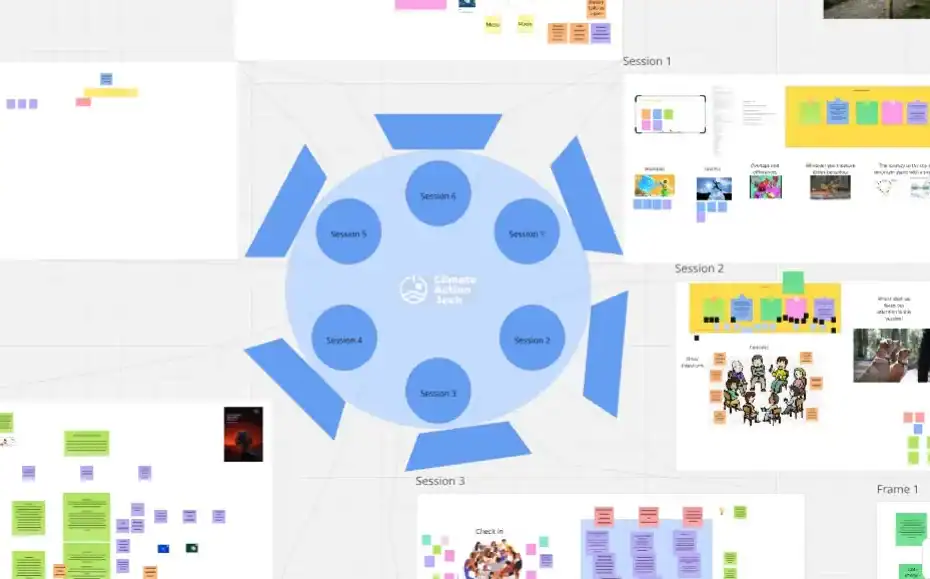
On May 13, 2026, five ClimateAction.Tech (CAT) members convened to begin a six-session journey of co-creation and learning. Facilitated by Jon Sleeper, this coaching circle brought together individuals working within private and public sector organizations. They all shared a focus on influencing the carbon impact of computing within their respective environments, whether through direct work, contracts, or consulting. The participants, Mark Buss, Josh Clark, Siddhesh Wagle, alongside Jon, identified strategies for meaningful change.This article summarizes the key outcomes of those six sessions.
Circle Objectives
The overall objectives of the circle were to take a coaching approach to create changes in organisations and to provide a supportive space for people to get to know each other, develop trusted relationships and have an impact.
Additional objectives included:
- share ideas and encourage the sharing of experiments that create meaningful change
- utilise lean and agile ways of working to consider an iterative and incremental approach to creating change
- consider which metrics have an impact
- take a product centric approach to align with agility within organisations
- make use of each participants’ skills, motivations and experience to create a collaborative environment for people to feel respected and understood
- allow participants to learn and develop coaching skills
- improve each participant’s ability to collaborate and innovate in a complex and uncertain world
1st Session: Setting the Stage
The initial session focused on establishing individual intentions and defining success for each participant within the context of the group objective. We also explored shared priorities, identifying overlapping and distinct Objective Key Results (OKRs) to guide our collective efforts.
Here’s a snapshot of the individual OKRs:
- Identify 1-3 quick wins to reduce the impact of technology on work’s carbon footprint.
- Enable teams to consider the sustainability impact of their software.
- Reduce the carbon footprint of client-created and utilized technologies (including websites, web technologies, and tech products) by 30% within one year.
- Explore the concept of sufficiency when utilizing AI and technology, examining the environmental implications of learning and experimentation.
- Investigate strategies for mitigating the environmental impact of learning through technology and AI.
- Learn to build a sustainability-focused business case.
2nd Session: Exploring Shared Intentions
The second session involved reflecting on the overlaps between the initial OKR areas. We identified significant common ground and dedicated time to exploring shared intentions through a series of prompts:
- How can you contribute?
- What relevant experience can you share to support this intention?
- What resonates with you from what others have shared?
- How motivated are you by this intention?
- How does it align with your individual goals?
- What else is important here?
- What needs to change to achieve our collective objective?
These shared OKRs set us up for the next series of sessions where we agreed on an initial priority (co-creating business cases for real-life usage). By sharing our individual definitions of success for the Coaching Circle, we were able to identify common personal goals. This set us up for success in the next 4 sessions as we dug deeper into how to accomplish these goals.
In our next blog post on this series, we will share how we went from shared goals to action steps that lead to a concrete output. We will also share more on reflections that arose throughout the Coaching Circle on the importance of community and co-creation in order to make meaningful change.
We encourage the members of the CAT community to consider joining future coaching circles, announcements will be shared soon based on expressed interest. If you are not already a member of ClimateAction.tech, please consider joining our Slack for regular updates and to connect with the community in building ethical and sustainable technology.
Edited by: Andy Davies and Stephanie Haley