
We launched the systems series a year ago and have since conducted eight workshops. During this series, we envisioned a sustainable future for technology, mapped its current state, and designed effective interventions to close the gap between these two points. Siddhesh Wagle and Jon Sleeper facilitated the series, with Hsuan (Sabrina) Hsieh joining as a co-facilitator in the last two workshops to introduce us to systems archetypes. You can read all about the series here.
We achieved significant progress. Many in the CAT community now understand systems thinking and how to use tools like the iceberg model and Causal Loop Diagrams (CLDs) for systems mapping. Mapping the current reality is a complex task, requiring us to investigate the systemic causes of today’s unsustainable tech. We believe that by collectively mapping the current reality, we avoid feeling overwhelmed and approach it with empathy.
A 12-Part Exploration of Unsustainable Tech
This year’s exploration builds upon that foundation, offering a deeper dive into the systemic challenges and potential solutions. We’ll be co-creating systems maps of our current tech landscape, exploring innovative interventions, and building a collective vision for a sustainable future.
We have a lot of ground to cover, so we’ve decided to continue this series throughout the year. We will meet monthly on Zoom and use the Miro board (our virtual dashboard) to co-create. The goal of this series is to map all the variables and their interconnections, helping us understand why current technology is unsustainable.
Our first co-creation workshop will focus on defining the categories we need to explore during our mapping exercise. We aim to identify at least 12 categories (with a few pre-defined), name them, prioritize them, and establish a schedule for the series. This workshop also provides an opportunity to discover areas of particular interest for you.
Although, we don’t know what the final output will look like, we anticipate that such systems projects often lead to emergent insights. We expect to build a comprehensive systems map where everything is connected, revealing how each element impacts others.
Beyond mapping the current reality, we will also explore solutions people are developing to achieve our shared vision of a sustainable future for technology. We will draw upon numerous books, articles, newsletters, podcasts, open source projects and standards to inform our understanding of the present situation. This work requires collective intelligence, and is not something one person can accomplish alone.
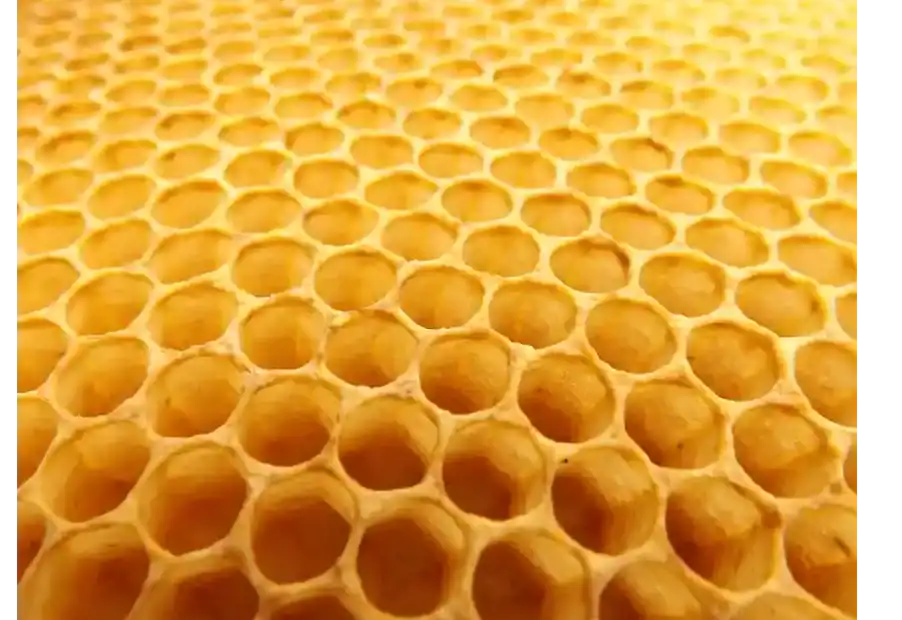
We are using bees and their hive as a symbol for this series. Recognizing the decline of bee populations, we are committed to protecting this vital symbol of intelligence. We want technology to contribute to, not cause, their extinction.
Who should join?
This workshop is for anyone involved in building or using technology who is passionate about creating a sustainable future for the field. In an era where technology affects everyone, directly or indirectly, it’s crucial that a wide range of voices are included in shaping this vision.
While the series is open to everyone, we encourage you to join the ClimateAction.tech community. This will allow you to participate in ongoing discussions and collaborate with others who are dedicated to improving technology in all aspects. As a member, you’ll also have access to our Slack channel and valuable resources.
How to participate?
There are two ways to join:
- join any of all of the co-creation workshops in the series
- engage in discussions and activities through the #cat-systems-series channel in the CAT Slack community.
Our journey begins with a crucial first step: identifying the key categories of unsustainable technology we need to understand. Join us for our launch workshop on September 10th at 11 AM CET | 12 PM EST | 5 PM UK | 9:30 PM IST , where we’ll collaboratively define these categories and set the stage for the year ahead.
Don’t worry if you can’t attend the online sessions live. While sessions won’t be recorded, you can participate asynchronously by contributing to the collaborative Miro whiteboard and joining conversations in the Slack channel. We will also post a recap of each session on the CAT blog, allowing you to catch up if you miss one.
To stay informed about the series’ launch, join the Slack channel and RSVP to events to add them to your calendar. You can also use the Slack channel to ask any questions about the project.
The journey continues
CAT’s vision is a transformed tech industry that makes climate a priority, and takes responsibility for social impacts and ecological limits. We imagine a future where innovation and sustainability thrive together in the tech world, a future we can build, collaboratively. Though the challenges are complex and ever-changing, our 12 sessions would provide a crucial framework for understanding today’s reality.
Join us as we navigate this ongoing journey towards a more sustainable tech future. RSVP on Luma to register.
About the facilitators
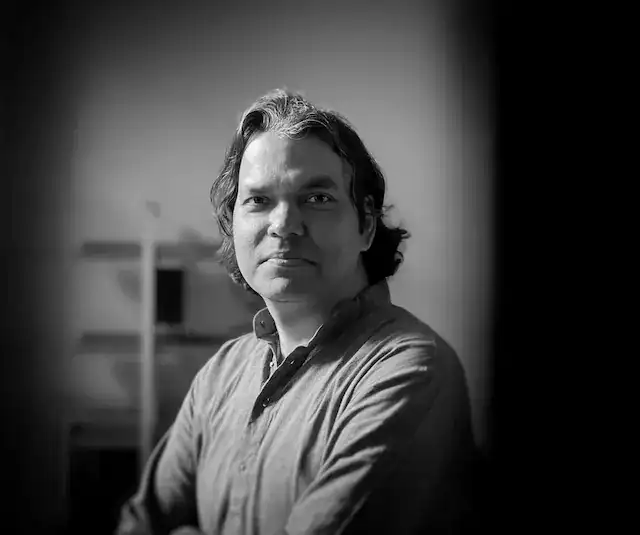
Siddhesh Wagle
Siddhesh Wagle is the founder of SystemsTree, and a Systems Change facilitator with a vision to empower individuals and organizations to build efficiency and sustainability into the very core of their technology development and utilization. Driven by a passion for applying Systems Thinking to technology, Siddhesh believes in promoting deeper conversations about not just how to make tech sustainable, but also how to ensure its ethical application. Siddhesh is a volunteer at ClimateAction.tech where he runs the systems series workshops.
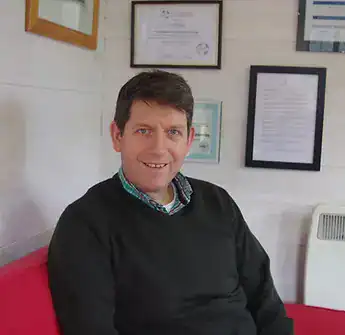
Jon Sleeper
Jon is a coach, facilitator and consultant with extensive life experience in technology, business and change. He has worked with software in business, change and delivery management for more than 30 years. Jon feels motivated when he can help to empower people to innovate, collaborate and grow. Jon wants to change the world of work so that people and organisations are aligned and connected to create sustainable solutions within the entire product life cycle. This is to enable people to enjoy what they do, be more productive, fulfilled and responsible in their understanding of the impact of tech on the environment.
References
While not required reading for the series, you may find the following books helpful for understanding Systems Thinking:
- Thinking in Systems by Donella Meadows
- The Fifth Discipline by Peter Senge
- Systems Thinking for Social Change by David Peter Stroh
Edited by: Stephanie Haley